Editorial take
Why it stands out
Jam should be judged on whether it improves bug-report quality and debugging speed across teams, not on whether it replaces observability or automated testing platforms. It is strongest as a handoff layer.
Tool profile
Bug capture and debugging workflow platform that packages replay, logs, repro steps, AI summaries, and MCP access into shareable reports.
Bug capture
Jam belongs in the catalog because it turns bug reporting into a much more usable engineering input than a screenshot and a vague Slack message. The official site positions it around one-click bug reports that capture screen context, console and network logs, device metadata, repro steps, and shareable recording links that engineers can actually debug from. That makes it relevant not just to QA teams, but to product, support, design, and engineering workflows that need cleaner handoffs into the stack.
It also deserves inclusion because the pricing is unusually clear for a cross-functional debugging product. Jam publishes a real free tier, a self-serve team plan priced per creator seat, and an enterprise tier with specific governance upgrades like SAML/SSO, audit logs, and webhooks. The docs also explain how AI usage is packaged across plans. That gives buyers enough detail to understand whether Jam is a lightweight team utility or a broader reporting layer worth standardizing on.
Quick fit
Editorial take
Jam should be judged on whether it improves bug-report quality and debugging speed across teams, not on whether it replaces observability or automated testing platforms. It is strongest as a handoff layer.
What it does well
Primary use cases
Fit notes
Compare with
Pressure-test this pick against nearby alternatives.
Pricing snapshot
Jam has a Free plan at $0, a Team plan at $14 per creator per month billed yearly, and Enterprise pricing by quote. The free plan includes limited Jams and Recording Links, while paid tiers expand usage and AI, access, and admin features.
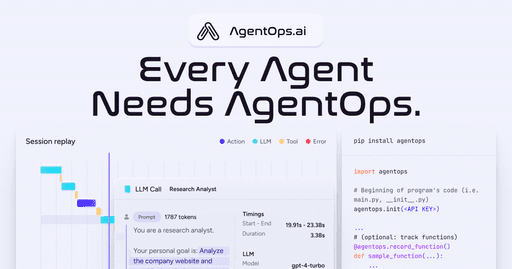
AgentOps
Free planAgent observability
Observability for AI agents with tracing, debugging, session visibility, and production monitoring.
Closer to agent observability than to model hosting or prompt tooling