Editorial take
Why it stands out
Kiro should be judged on whether its added structure produces better engineering outcomes than faster but looser coding tools, especially on multi-step work.
Tool profile
Spec-driven AI coding environment that turns prompts into requirements, architecture, and sequenced tasks before implementation begins.
Structured AI coding
Kiro stands out because it does not sell only speed. The product is explicitly built around bringing structure to AI coding by turning natural-language intent into requirements, acceptance criteria, architecture, and implementation tasks before code generation happens. That is a different philosophy from tools that optimize for raw iterative output inside the editor.
This matters most on larger, messier, or more collaborative codebases where ambiguity is expensive. Kiro is strongest when the team wants an AI coding system that can preserve intent, document reasoning, and make agent behavior more governable instead of treating every request like a one-off prompt gamble.
Quick fit
Editorial take
Kiro should be judged on whether its added structure produces better engineering outcomes than faster but looser coding tools, especially on multi-step work.
What it does well
Primary use cases
Fit notes
Compare with
Pressure-test this pick against nearby alternatives.
Pricing snapshot
Kiro offers Free at $0/month, Pro at $20/month, Pro+ at $40/month, and Power at $200/month, with paid-plan overages at $0.04 per additional credit and enterprise packaging above that.
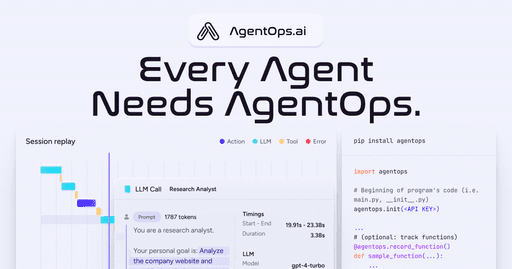
AgentOps
Free planAgent observability
Observability for AI agents with tracing, debugging, session visibility, and production monitoring.
Closer to agent observability than to model hosting or prompt tooling