Editorial take
Why it stands out
Labelbox should be treated as AI data infrastructure, not as a commodity annotation utility. The buying conversation is about quality, throughput, and operating model more than just labeler interfaces.
Tool profile
Data labeling, evaluation, and AI data-factory platform for teams building training data, model evaluations, and multimodal AI workflows at scale.
Training data operations
Labelbox belongs in the catalog because data and evaluation infrastructure remains one of the least replaceable parts of serious AI stacks. The official platform spans annotation, cataloging, model-assisted labeling, multimodal evaluations, and services, which makes it much broader than a legacy labeling tool. It is part software platform, part data-factory operating layer.
That matters because many teams chasing agent and model products still underestimate how much execution lives upstream in dataset quality, evaluation loops, and human feedback operations. Labelbox also has a clearer pricing story than many service-heavy AI vendors. It offers a genuine free tier for self-serve experimentation, then moves into paid subscriptions and add-ons for organizations that need more scale, support, and governance. Buyers should evaluate it as operational AI infrastructure, not as a point feature.
Quick fit
Editorial take
Labelbox should be treated as AI data infrastructure, not as a commodity annotation utility. The buying conversation is about quality, throughput, and operating model more than just labeler interfaces.
What it does well
Primary use cases
Fit notes
Compare with
Pressure-test this pick against nearby alternatives.
Pricing snapshot
Labelbox offers a real free tier for the platform, with paid software subscriptions and add-ons for higher-scale usage. The pricing surface highlights free access first, then sales-led subscriptions for larger AI teams.
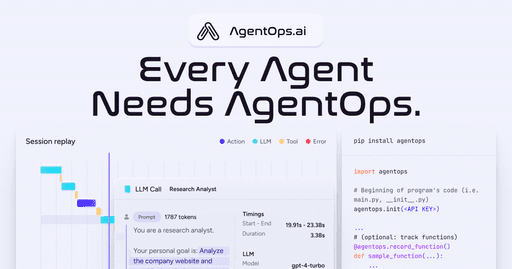
AgentOps
Free planAgent observability
Observability for AI agents with tracing, debugging, session visibility, and production monitoring.
Closer to agent observability than to model hosting or prompt tooling