Editorial take
Why it stands out
Octomind should be judged on reliability, maintenance burden, and how much real QA work it removes after the first tests are generated. The platform only matters if the suite keeps paying back over time.
Tool profile
AI-powered end-to-end testing platform with self-healing maintenance, cloud runs, debugging traces, and MCP workflows for modern teams.
End-to-end testing
Octomind belongs in the catalog because it targets one of the most stubborn problems in software delivery: getting end-to-end testing coverage without building an oversized QA operation or babysitting brittle test suites. The current product framing is clear. Octomind is trying to create, run, debug, and maintain end-to-end tests with AI assistance, while layering in cloud execution, traces, and self-healing behavior to keep the suite usable over time. That makes it more stack-relevant than a generic no-code QA promise.
It also deserves inclusion because the current pricing page is commercially concrete. Octomind now publishes a live Basic and Pro plan in USD, lists included test-case counts, cloud-run allowances, AI test-creation quotas, and parallel-execution limits, and keeps Enterprise as a clearly separate quote-led tier. For a premium directory, that means we can describe both the product layer and the unit economics honestly instead of hand-waving around a demo request.
Quick fit
Editorial take
Octomind should be judged on reliability, maintenance burden, and how much real QA work it removes after the first tests are generated. The platform only matters if the suite keeps paying back over time.
What it does well
Primary use cases
Fit notes
Compare with
Pressure-test this pick against nearby alternatives.
Pricing snapshot
Octomind currently lists Basic at $89/month, Pro at $589/month, and Enterprise as custom pricing. The public plan grid also exposes included test cases, cloud runs, AI test creations, and parallel execution limits, and both paid tiers start with a free trial.
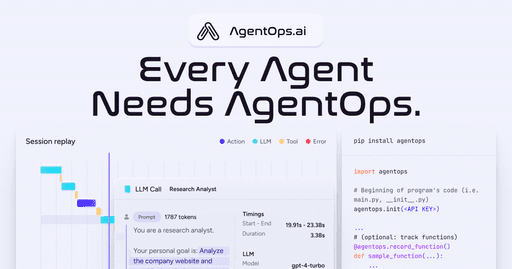
AgentOps
Free planAgent observability
Observability for AI agents with tracing, debugging, session visibility, and production monitoring.
Closer to agent observability than to model hosting or prompt tooling