Editorial take
Why it stands out
Qdrant is easy to like because the free tier is generous enough to test seriously without obscuring that paid usage is still infrastructure billing.
Tool profile
Open-source vector database with managed cloud, hybrid, and private-cloud deployment options for semantic search and RAG systems.
Semantic search and vector retrieval for AI applications
Qdrant is one of the most credible vector-database additions for this directory because it spans the full serious-buyer path: open-source local deployment, managed cloud for teams that want speed, and enterprise deployment modes for teams that need more control. It is a builder tool, not a consumer AI app, and it maps directly to modern semantic search, recommendation, and retrieval workflows.
The commercial story is appealing because it starts cleanly. Qdrant Cloud offers a 1 GB free forever managed cluster with no credit card, then scales into paid managed infrastructure based on CPU, memory, and disk usage. That keeps the entry point low while still preserving a real enterprise path through Hybrid Cloud, Private Cloud, and optional Premium support. Compared with Pinecone, Qdrant tends to appeal more to teams that value open-source flexibility and deployment choice alongside managed service.
Quick fit
Editorial take
Qdrant is easy to like because the free tier is generous enough to test seriously without obscuring that paid usage is still infrastructure billing.
What it does well
Primary use cases
Fit notes
Compare with
Pressure-test this pick against nearby alternatives.
Pricing snapshot
Qdrant Cloud starts at $0 with a 1 GB free forever cluster and no credit card required. Paid Managed Cloud is resource-based rather than seat-based, with billing driven by CPU, memory, and disk usage. Hybrid Cloud and Private Cloud are custom-priced, and Qdrant also offers an optional Premium tier with stronger SLA and enterprise features.
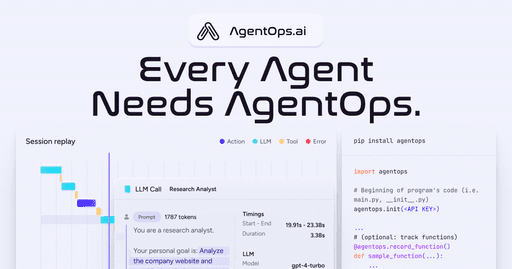
AgentOps
Free planAgent observability
Observability for AI agents with tracing, debugging, session visibility, and production monitoring.
Closer to agent observability than to model hosting or prompt tooling